What Didn’t Fit into 10 Minutes of TEDx
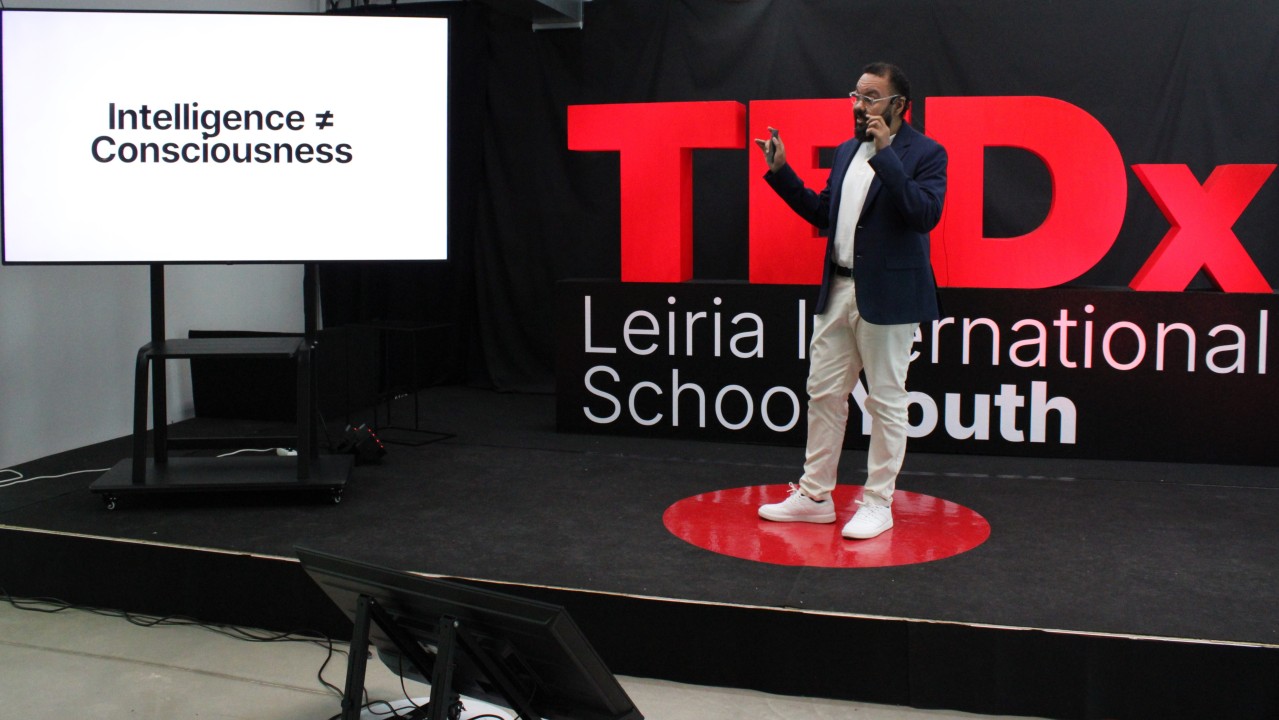
On the TEDxYouth stage in Leiria, I had just a few minutes to argue for an uncomfortable idea: we are training machines to appear more empathetic than we are ourselves. The talk ended, but the question remained: what happens when empathy stops being exclusively human and becomes a product feature?
When someone contacts a company’s customer support, they are often frustrated, exhausted, or afraid of losing money, time or control over the situation. On the other side, a technically perfect response appears. The words are correct, the tone is appropriate, and the punctuation is impeccable. Yet something still feels empty.
This is where the paradox begins. AI can recognise emotional patterns with increasing accuracy, but that does not mean it feels what we feel or takes any responsibility for what happens to us. It performs empathy. The decision to act empathetically remains a human one.
And this is no longer a niche curiosity. The Emotional AI market was estimated at US$35.72 billion in 2026, with projections to reach US$51.25 billion by 2030. We are talking about technology entering customer service, healthcare, education, financial services and the public sector across the world.
In this context, there is a quiet trap: the temptation to outsource moral responsibility to “empathetic” interfaces. When an AI agent provides better service than the average day-to-day human interaction, it becomes easy to let it handle almost everything, from irritated customers to distressed patients or citizens. But genuine empathy is not simply about giving the right answer. It is about accepting the emotional cost of being present for another person.
Recognising emotions and experiencing them are very different things. AI can infer sadness, anger or anxiety by combining words, history, response times and tone of voice. It may correctly identify the emotion or generate the most likely response. But nothing it says ever returns to its “body”. The machine does not lose sleep, burn out, carry guilt or bear responsibility. We do. It is this cost that makes human empathy irreplaceable and, often, rare.
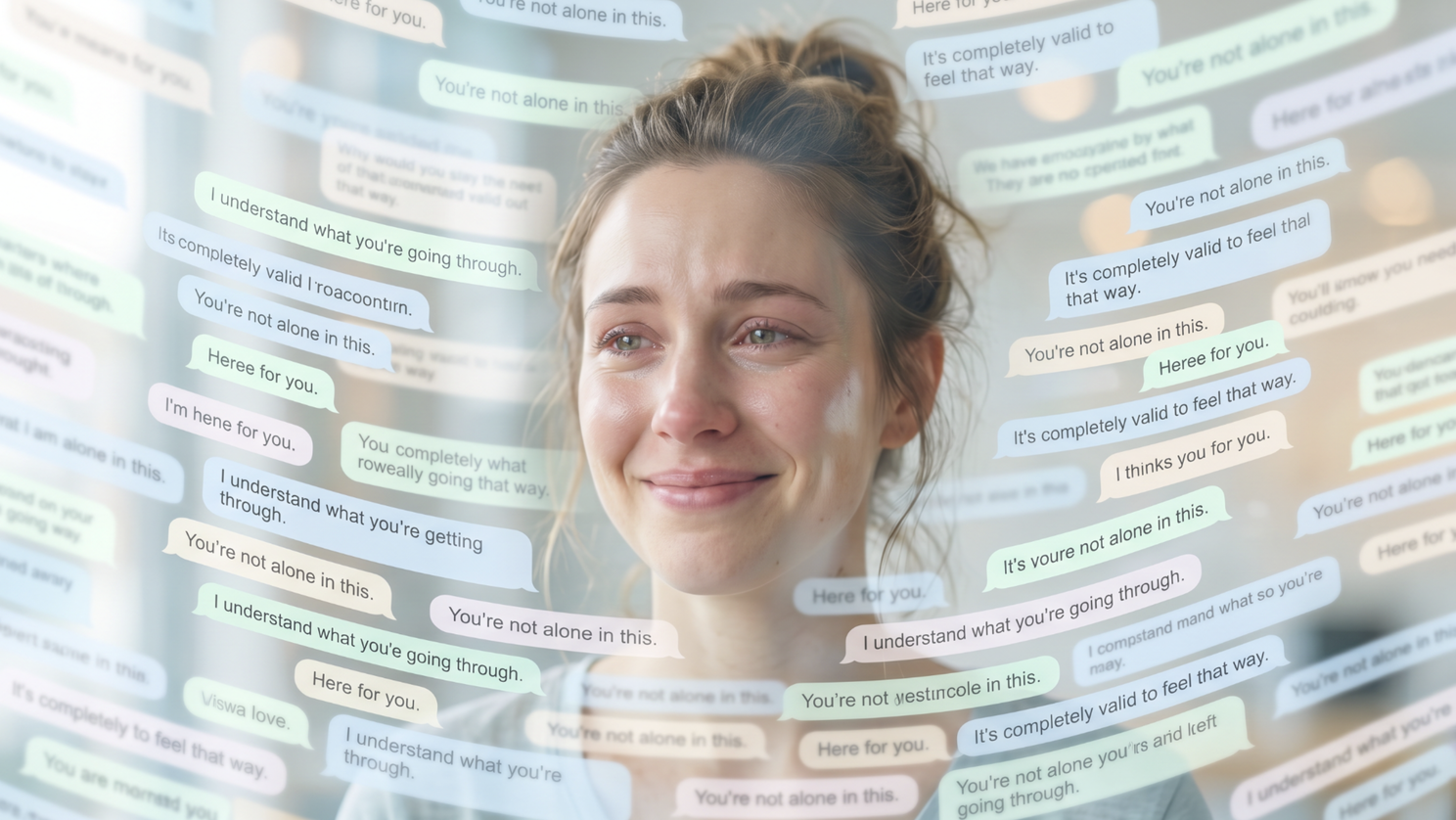
It may sound contradictory for someone like me, who works every day designing AI experiences capable of identifying dozens of emotional dimensions in an interaction, to draw attention to these limits. But this is precisely where I see a healthy boundary: we should not use technology simply because it is possible, but because it can bring people closer together and transform relationships, through interfaces that provide support when a human cannot be present, whether because of language barriers or the need to be available 24 hours a day, 7 days a week. For everything that involves genuine responsibility and care, human beings remain essential.
There is also a very concrete and personal layer to this subject. This is not an abstract theory about “society and technology”. It is a living testimony to the city where I live, Leiria. Earlier this year, winds exceeding 200 km/h tore roofs from homes and changed many people’s lives within minutes. In situations like these, technology can coordinate assistance, map damage, organise donations and optimise travel. All of that is valuable.
But no notification can replace the neighbour who knocks on the door to check whether everything is alright. No automated message can replace the person who crosses the city to pick someone up. No AI agent can fulfil the role of a friend who simply sits beside you in silence. The decision to leave home, expose oneself to risk and be present remains deeply human.
From a practical perspective, when we talk about conversational AI, I believe it makes sense to consider three simple questions:
- Which repetitive parts of the work can we automate without losing our humanity?
- Which forms of human empathy do we want to protect at all costs?
- At what point must the customer journey leave automation and reach someone with the time and context to genuinely care for the situation?
Hybrid AI-powered support models show that, when designed well, results follow: higher satisfaction, lower costs and better first-contact resolution. One example is the report “The Rise of Empathy-First AI: Transforming Customer Support”, which brings together use cases where the combination of human agents and empathetic AI increases NPS and reduces operational costs.
At AENVO, this is how we approach every project: not only by asking “how many tickets does the bot resolve?”, but also “what kind of human conversation is it protecting?”. You can see this in voice and text agents that identify recurring frustration and adapt their strategy, in routing that prioritises human support in sensitive contexts, and in handovers that do not force customers to repeat the same story several times.
If you have read this far, you are likely to recognise some of these tensions: pressure to automate, customers exhausted from speaking to robots, and teams operating at their emotional limit. So the question I leave you with is simple: at which moments is your organisation unwilling to give up human empathy? From there, AI starts to make far more sense.
Empathy is not scarce because we lack technology. It is scarce because it comes at a high emotional cost. Good AI is not the kind that tries to imitate that cost. It is the kind that helps us take it on when it truly matters.
If you would like to watch this extract from the stage, the talk is available here, in English.
Originally published in LinkedIn (in Portuguese).